contenu:
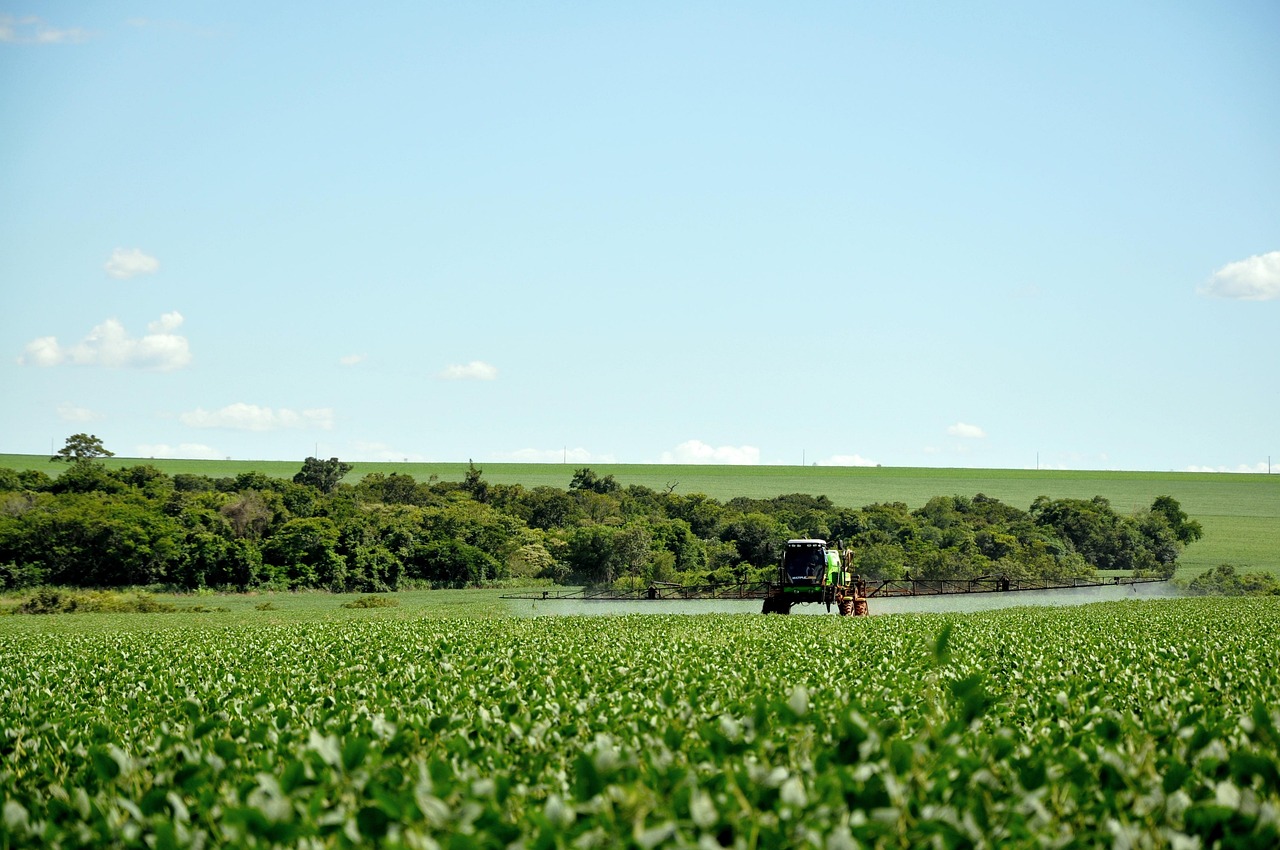
Technical Implications of Rising Soybean Costs on Soy Wax Production
The recent acceleration in soybean prices has created measurable stress across the soy wax value chain, from raw oil extraction to finished candle products. At the production level, higher feedstock costs directly increase the cost-per-kilogram of refined soy wax. Typical industrial-grade soy wax such as our SWS-220 formulation exhibits a melting point of 48°C (118°F), a density of 0.93 g/cm³, and a recommended fragrance load of 6–10% (optimal 6–8%). Batch yields per metric ton of refined soybean oil average 950–980 kg of finished wax after hydrogenation and blending, and typical pour temperatures range 60–70°C. These specific metrics are essential for candle manufacturers and formulators to maintain product consistency while managing margins.
H3: Supply Chain and Commodity Drivers
Upward pressure on raw materials stems from increased biofuel demand and constrained crop yields in key producing regions. Price volatility on commodity futures has risen by approximately 18% year-on-year, translating to raw material cost increases of 10–15% for many wax producers in Q3. The interaction between sustainable sourcing commitments and spot market instability forces manufacturers to prioritize long-term procurement contracts, hedging, and diversified supplier networks to stabilize supply.
Practical Manufacturing Adjustments and Consumer Impact
Producers respond to higher feedstock costs with technical adjustments that can affect end-consumer experience. Alterations such as partial blending with higher-melt-point hydrogenated soy fractions or carefully controlled additives preserve scent throw and burn profiles while minimizing cost increases. For example, blending ratios of up to 15% higher-melt components can raise the melt point by 1–2°C and reduce shrinkage from 1.2% to under 1.0% without degrading fragrance compatibility. Typical burn rate metrics for an 8 oz (approx. 227 g) soy candle are 6–8 g/hour, yielding a burn time of roughly 30–40 hours depending on wick optimization.
H3: Professional Tips for Makers
- Test and document wick sizing for each jar geometry; a change in density or pour temperature can require one wick larger or smaller to avoid tunneling.
- Allow a minimum 48–72 hour cure time at 18–22°C for optimal fragrance load integration and stable scent throw.
- Monitor free fatty acid content (<2% preferred) and maintain hydrogenation indices to ensure consistent melt behavior.
- Use forward contracts or staggered purchases to mitigate price volatility and protect margins.
Advantages of Soy Wax Source include access to detailed technical specification sheets, independent lab test results, an established supplier network for hedged raw material sourcing, and in-depth market intelligence on commodity markets and regulatory impacts. Our resources help artisans and industrial producers adapt formulations, maintain quality control (shrinkage <1%, pour tolerance ±2°C) and communicate changes transparently to consumers who value sustainable sourcing and predictable product performance.
date: 2025-11-15
lien: https://soywaxsource.com
sous_categorie: cire de soja
Laisser un commentaire