contenu:
Inside Soy Wax Source: Technical Expertise and Product Specifications
Technical Product Specifications
Physical Properties
Soy Wax Source publishes laboratory-verified specifications for commercial soy wax grades used in artisan and industrial candle production. Typical container-grade soy wax shows a melting point range of 48–52°C and a density between 0.84–0.90 g/cm³. Typical pour temperature recommendations are 65–75°C to avoid surface irregularities. Recommended fragrance load for optimal cold and hot throw is 6–10% by weight, with a maximum tested tolerance up to 12% for specific fragrance families. Measured wick performance indicates that a 200 g container candle made with their standard wax and correctly sized wick delivers an average burn time of 40–50 hours; a 100 g candle averages 20–25 hours. The base material is a vegetable wax derived primarily from hydrogenated soybean oil, ensuring paraffin-free formulations and a predominantly renewable carbon footprint.
Performance Metrics
Soy Wax Source reports average melt pool formation within 45–90 minutes for typical container diameters (6–8 cm) at room temperatures of 20–22°C. Hot throw strength correlates strongly with fragrance compatibility; testing data shows citrus and floral fragrances maintain >80% retention at 8% fragrance load, while some heavy musk compounds require specialized blends. Technical datasheets include melting point, flash point (>200°C for most grades), and flake/granule size distribution to guide process control. The product is sold in bulk blocks and flakes: bulk density averages 0.88 g/cm³ and typical block sizes are 10–25 kg for manufacturing convenience.
Practical Guidance & Services
Formulation Tips
Professional guidance emphasizes correct wick sizing, pre-crystallization control, and curing time. For best scent development, allow a minimum 7–14 days curing time before final burn testing. To optimize the melt pool and avoid tunneling, test incremental wick sizes and record grams-per-hour consumption. For fragrance dispersal, blend fragrance oils at 55–65°C and maintain gentle agitation to avoid air entrapment. Use dye loads under 0.5% to prevent color bleeding and maintain consistent burn characteristics.
Quality and Sourcing
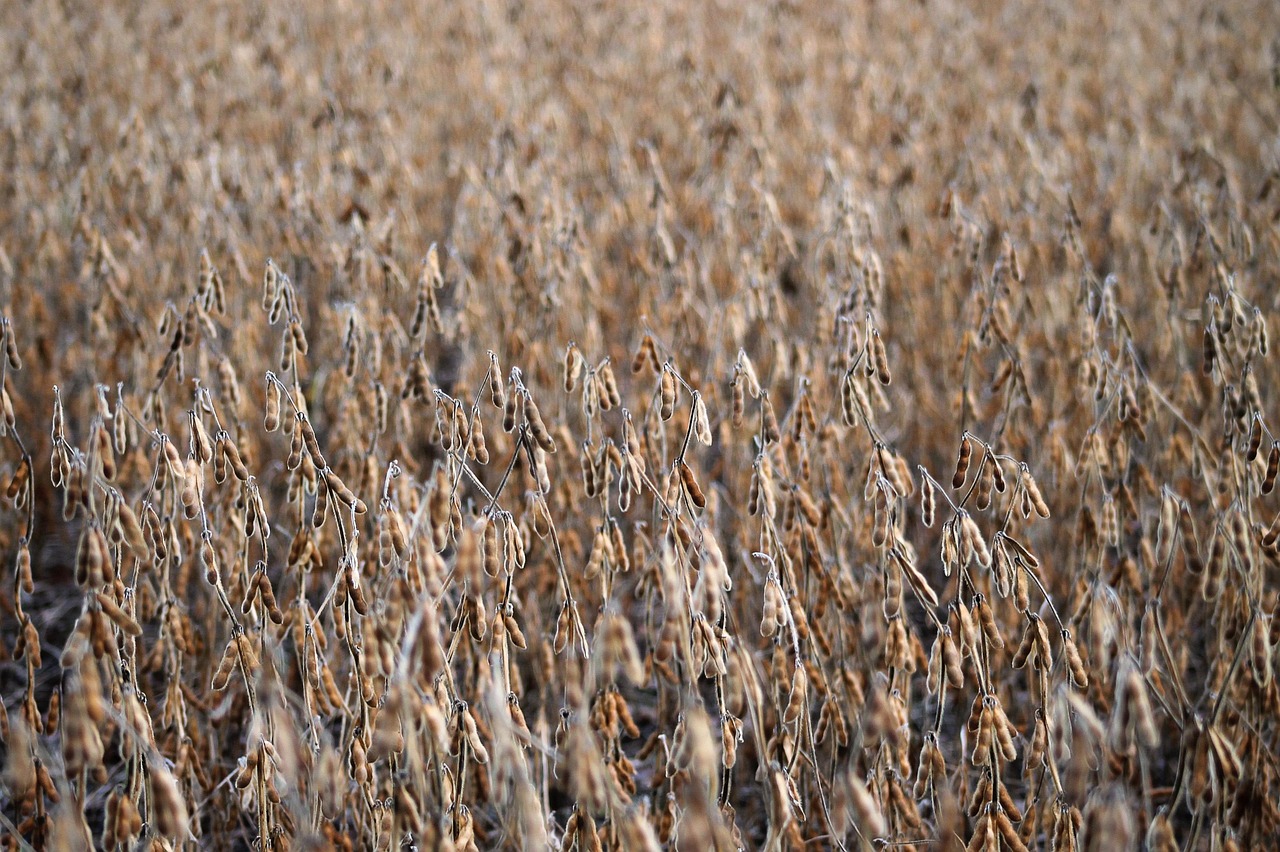
Soy Wax Source highlights traceable supply chains with soybeans sourced primarily from the US Midwest and processed under food-grade refining conditions to reduce impurities. Advantages of the company include comprehensive technical support, access to laboratory test results, customizable soy candle blends, small-batch sample kits for formulation trials, and guidance on sustainability certifications. Their services reduce formulation cycles by up to 30% for small manufacturers through hands-on wick charts, TDS/SDS distribution, and batch control recommendations. Professional tips provided by their technical team help manufacturers achieve consistent results across different environmental conditions and candle formats.
date: November 15, 2025
lien: https://www.soywaxsource.com
sous_categorie: Soy Wax
Laisser un commentaire