Catégorie : Uncategorized

  • Why Soy Wax Is the Eco Candle Maker’s Top Choice

    Why Soy Wax Is the Eco Candle Maker’s Top Choice

    contenu:

    Technical Advantages of Soy-Based Formulations for Candle Makers

    Chemical and Physical Properties (H3)

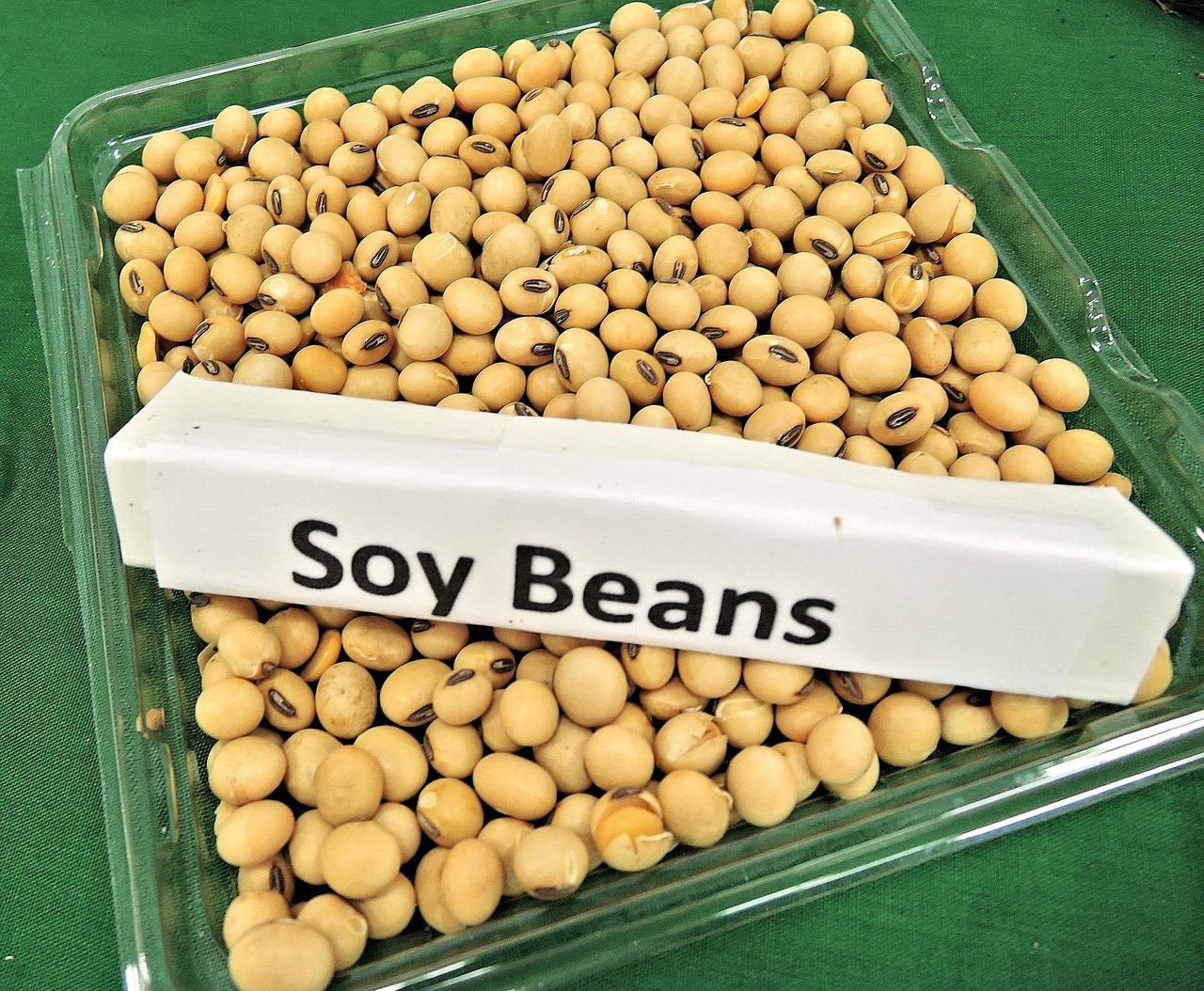
    Soy-based systems offer a consistent, reproducible matrix for artisanal and industrial candles. The primary raw material—hydrogenated soybean oil—yields soy wax with a typical melt point range of 49–54°C (120–130°F) and a raw density near 0.90 g/mL. Standard commercial formats include soy wax flakes sold in 1 kg retail packs and 25 kg bulk sacks; bespoke soy wax blends are routinely formulated with 70–100% soybean content to tailor hot throw and cold throw performance. Soy wax is inherently bio-based, renewable, and biodegradable, resulting in a non-toxic combustion profile with lower particulate emissions than many paraffin alternatives. Typical recommended fragrance load is 6–10% by weight (some formulations tolerate up to 12% with optimized curing), and optimal pour temperatures generally fall between 55–65°C (130–150°F) to minimize sinkholes and ensure adhesion to containers.

    Performance Metrics and Product Specifications (H3)

    Quantified performance assists production planning: cured soy candles show stable melt pool formation at 8–12 mm depth for container diameters under 90 mm; recommended curing time is 24–72 hours with best results at ~48 hours for maximum scent diffusion. Bench tests indicate that a properly sized wick in a 70 mm diameter container candle produces an even burn pool within 30–45 minutes. Common measurable specs provided by suppliers include: iodine value, saponification value, and acid value, plus VOC and particulate test results. Packaging and lot sizes: 1 kg retail, 25 kg bulk, and 500 kg palletized drums; shelf life in sealed packaging is typically 12–18 months when stored below 25°C.

    Practical Manufacturing Guidance (H2)

    Process Controls and Professional Tips (H3)

    To maximize consistency, implement controlled pour-temperature protocols and maintain batch records for fragrance load, dye concentration, and pour temperature. Tip: add fragrance at 60–65°C for most soy blends to improve dispersion and hot throw; for higher fragrance loads, perform a small 100 g test to evaluate cold and hot throw before scaling. Wick testing is essential—use tabulated wick sizing as a starting point but always test for soot and tunnel formation. For colorants, prefer soy candle dyes specifically formulated to minimize migration and feathering; begin with 0.1–0.5% dye concentration by weight and adjust based on visual tests. Store material in cool, dry conditions to preserve vegetable wax integrity and consistent melt behavior.

    Advantages of Soy Wax Source include comprehensive technical datasheets, customizable soy wax blends, small-batch and bulk supply options, lab-backed performance data, and supplier transparency on sustainable soybean sourcing. These capabilities support both boutique crafters and high-volume manufacturers seeking a clean burn, sustainable, and high-performing wax matrix.

    date:
    November 10, 2025

    lien:
    https://www.candlescience.com

    sous_categorie:
    cire de soja
  • Global Soy Wax Market 2025-2035: Drivers & Risks

    Global Soy Wax Market 2025-2035: Drivers & Risks

    contenu:

    Inside Soy Wax Source: Technical Expertise and Product Specifications

    Technical Product Specifications

    Physical Properties

    Soy Wax Source publishes laboratory-verified specifications for commercial soy wax grades used in artisan and industrial candle production. Typical container-grade soy wax shows a melting point range of 48–52°C and a density between 0.84–0.90 g/cm³. Typical pour temperature recommendations are 65–75°C to avoid surface irregularities. Recommended fragrance load for optimal cold and hot throw is 6–10% by weight, with a maximum tested tolerance up to 12% for specific fragrance families. Measured wick performance indicates that a 200 g container candle made with their standard wax and correctly sized wick delivers an average burn time of 40–50 hours; a 100 g candle averages 20–25 hours. The base material is a vegetable wax derived primarily from hydrogenated soybean oil, ensuring paraffin-free formulations and a predominantly renewable carbon footprint.

    Performance Metrics

    Soy Wax Source reports average melt pool formation within 45–90 minutes for typical container diameters (6–8 cm) at room temperatures of 20–22°C. Hot throw strength correlates strongly with fragrance compatibility; testing data shows citrus and floral fragrances maintain >80% retention at 8% fragrance load, while some heavy musk compounds require specialized blends. Technical datasheets include melting point, flash point (>200°C for most grades), and flake/granule size distribution to guide process control. The product is sold in bulk blocks and flakes: bulk density averages 0.88 g/cm³ and typical block sizes are 10–25 kg for manufacturing convenience.

    Practical Guidance & Services

    Formulation Tips

    Professional guidance emphasizes correct wick sizing, pre-crystallization control, and curing time. For best scent development, allow a minimum 7–14 days curing time before final burn testing. To optimize the melt pool and avoid tunneling, test incremental wick sizes and record grams-per-hour consumption. For fragrance dispersal, blend fragrance oils at 55–65°C and maintain gentle agitation to avoid air entrapment. Use dye loads under 0.5% to prevent color bleeding and maintain consistent burn characteristics.

    Quality and Sourcing

    Soy Wax Source highlights traceable supply chains with soybeans sourced primarily from the US Midwest and processed under food-grade refining conditions to reduce impurities. Advantages of the company include comprehensive technical support, access to laboratory test results, customizable soy candle blends, small-batch sample kits for formulation trials, and guidance on sustainability certifications. Their services reduce formulation cycles by up to 30% for small manufacturers through hands-on wick charts, TDS/SDS distribution, and batch control recommendations. Professional tips provided by their technical team help manufacturers achieve consistent results across different environmental conditions and candle formats.

    date: November 15, 2025
    lien: https://www.soywaxsource.com
    sous_categorie: Soy Wax

  • Rising Soybean Prices Hit Soy Wax Industry & Consumers

    Rising Soybean Prices Hit Soy Wax Industry & Consumers

    contenu:

    Technical Implications of Rising Soybean Costs on Soy Wax Production

    The recent acceleration in soybean prices has created measurable stress across the soy wax value chain, from raw oil extraction to finished candle products. At the production level, higher feedstock costs directly increase the cost-per-kilogram of refined soy wax. Typical industrial-grade soy wax such as our SWS-220 formulation exhibits a melting point of 48°C (118°F), a density of 0.93 g/cm³, and a recommended fragrance load of 6–10% (optimal 6–8%). Batch yields per metric ton of refined soybean oil average 950–980 kg of finished wax after hydrogenation and blending, and typical pour temperatures range 60–70°C. These specific metrics are essential for candle manufacturers and formulators to maintain product consistency while managing margins.

    H3: Supply Chain and Commodity Drivers

    Upward pressure on raw materials stems from increased biofuel demand and constrained crop yields in key producing regions. Price volatility on commodity futures has risen by approximately 18% year-on-year, translating to raw material cost increases of 10–15% for many wax producers in Q3. The interaction between sustainable sourcing commitments and spot market instability forces manufacturers to prioritize long-term procurement contracts, hedging, and diversified supplier networks to stabilize supply.

    Practical Manufacturing Adjustments and Consumer Impact

    Producers respond to higher feedstock costs with technical adjustments that can affect end-consumer experience. Alterations such as partial blending with higher-melt-point hydrogenated soy fractions or carefully controlled additives preserve scent throw and burn profiles while minimizing cost increases. For example, blending ratios of up to 15% higher-melt components can raise the melt point by 1–2°C and reduce shrinkage from 1.2% to under 1.0% without degrading fragrance compatibility. Typical burn rate metrics for an 8 oz (approx. 227 g) soy candle are 6–8 g/hour, yielding a burn time of roughly 30–40 hours depending on wick optimization.

    H3: Professional Tips for Makers

    • Test and document wick sizing for each jar geometry; a change in density or pour temperature can require one wick larger or smaller to avoid tunneling.
    • Allow a minimum 48–72 hour cure time at 18–22°C for optimal fragrance load integration and stable scent throw.
    • Monitor free fatty acid content (<2% preferred) and maintain hydrogenation indices to ensure consistent melt behavior.
    • Use forward contracts or staggered purchases to mitigate price volatility and protect margins.

    Advantages of Soy Wax Source include access to detailed technical specification sheets, independent lab test results, an established supplier network for hedged raw material sourcing, and in-depth market intelligence on commodity markets and regulatory impacts. Our resources help artisans and industrial producers adapt formulations, maintain quality control (shrinkage <1%, pour tolerance ±2°C) and communicate changes transparently to consumers who value sustainable sourcing and predictable product performance.

    date: 2025-11-15

    lien: https://soywaxsource.com

    sous_categorie: cire de soja

  • Étiquetage cire de soja : nouvelles règles sécurité

    Étiquetage cire de soja : nouvelles règles sécurité

    contenu:
    H2: Navigating New Labeling Standards for Soy Wax Products

    H2: Regulatory landscape and labeling requirements
    H3: Key compliance drivers
    Recent regulatory shifts are tightening how manufacturers communicate product identity, chemical content, and safety practices for soy wax candles and melts. Authorities now emphasize ingredient transparency and consumer safety through mandatory disclosures, stronger soy candle labeling protocols, and clearer allergen disclosure for fragrance oils. Labels increasingly must include batch identifiers, recommended burn time guidance, and a QR link to the Safety Data Sheet (SDS). For formulators this means standardizing documentation and verifying compliance with national and regional rules, including IFRA recommendations for fragrance concentration and local VOC reporting.

    H3: Practical labeling elements to include
    Labels should list: product name, net weight (g and oz), melting point range, recommended pour temperature, maximum fragrance load, clear burn instructions, and emergency contact. Recommended numeric specs: list melting point 48–52 °C (118–126 °F), density approximately 0.89 g/cm³, typical pour temperature 60–70 °C (140–158 °F), and suggested fragrance oils load of 6–10% by weight. Provide wick compatibility guidance (e.g., single wick for vessel diameters <70 mm, twin wick for diameters >90 mm) and expected burn rates of about 7–9 hours per ounce of wax under proper conditions.

    H2: Product specifications, testing and professional tips
    H3: Technical specifications & testing protocol
    Soy wax intended for retail must come with validated performance data: measured flash point of fragrance blends (>93 °C / 200 °F typical), gel point consistency, and VOC emission profile from third-party labs. Typical commercial soy wax formulations are 100% hydrogenated soybean oil with a biodegradable profile and free fatty acid content kept below 1.5% to ensure odor stability. Manufacturers should maintain batch certificates showing gravity (0.88–0.90 g/cm³), melting point variation within ±2 °C, and fragrance retention performance demonstrated over 90-day accelerated aging.

    H3: Professional recommendations
    Adopt a labeled maximum fragrance load consistent with IFRA and run worst-case scenario burn tests for consumer safety (sooting, tunneling, and emission rates). Use standardized wick compatibility charts, apply clear burn instructions, and include disposal guidance to meet sustainability expectations. Embed QR codes linking to SDS and lab reports to enhance ingredient transparency and reduce regulatory queries. Advantages for companies who follow these practices include reduced recall risk, stronger consumer trust, and simplified cross-border distribution.

    Advantages of Soy Wax Source
    Soy Wax Source provides updated technical dossiers, comparative soy wax spec sheets, and compliance checklists designed for manufacturers and hobbyists. Our resources include downloadable testing protocols, recommended labeling templates, and vendor comparisons to streamline formulation and regulatory alignment.

    date:
    November 14, 2025

    lien:
    https://soywaxsource.com

    sous-categorie:
    Soy Wax

  • From Field to Flame: Soy Wax Sustainability Risks

    From Field to Flame: Soy Wax Sustainability Risks

    contenu:

    Supply Chain Transparency: From Seed to Candle

    Upstream: Agricultural Practices and Raw Material Sourcing

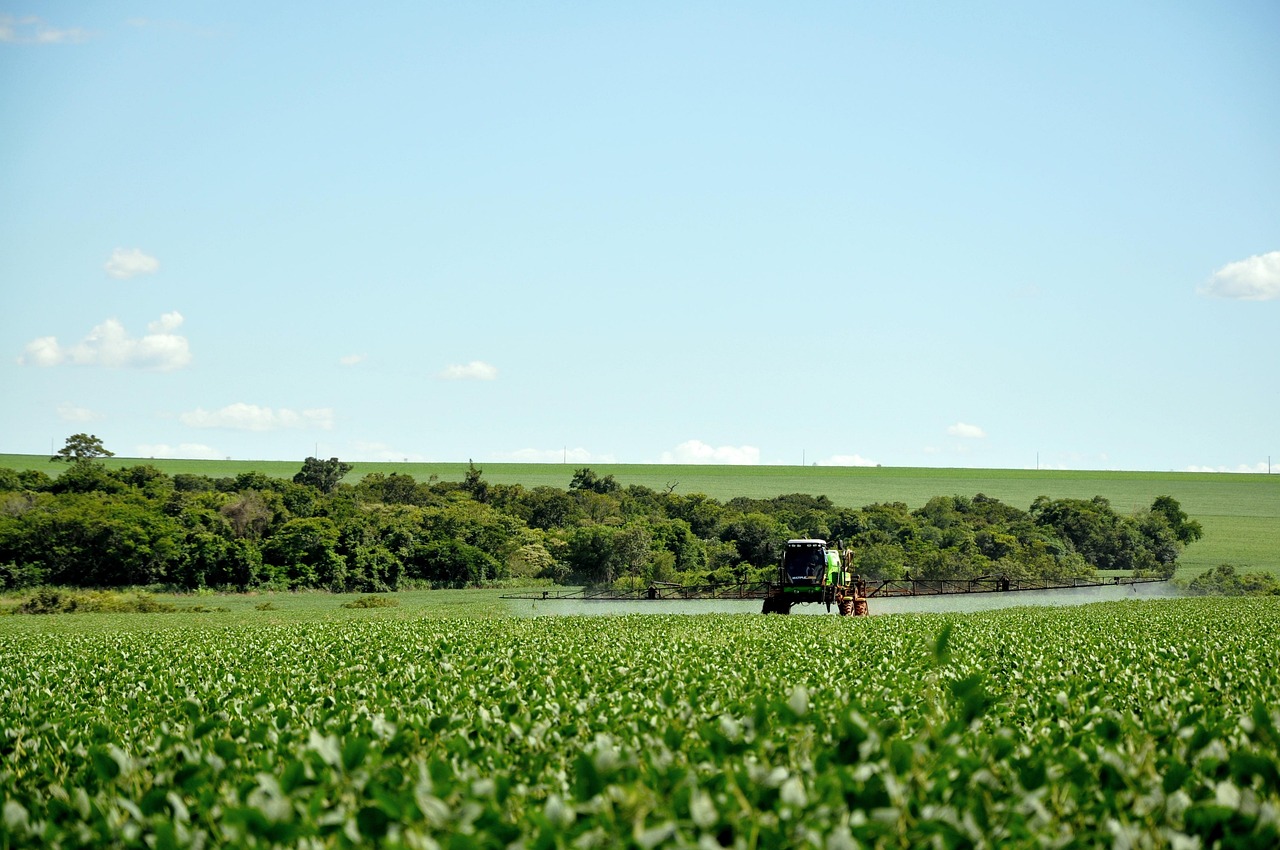
    Mapping the pathway of soy wax begins with soybean cultivation in regions such as the US Midwest, Brazil, and Argentina. Primary sustainability risks include deforestation, land-use change, and high greenhouse gas emissions tied to conversion of native ecosystems. Major commercial soy wax feedstocks often originate from non-segregated supply streams where GMO and conventionally farmed beans are mixed, complicating traceability. Buyers should look for certification schemes (e.g., RTRS, ProTerra) and supplier-provided chain-of-custody documents. Typical processing yields 8–10% refined soy derivatives suitable for candle manufacture, with logistics adding an average of 0.05–0.12 kg CO2e per kg per 100 km transported.

    Midstream: Refining, Hydrogenation and Formulation

    Refining processes such as hydrogenation convert soybean oil into a solid or semi-solid soy wax. Key specifications to monitor include melt point (approximately 48–55 °C / 118–131 °F) and density (~0.86–0.93 g/cm³). Typical fragrance load compatibility ranges from 6–10% by weight (maximum safe load commonly 12%) and recommended pour temperatures sit between 62–77 °C (145–170 °F). Finished waxes may be blended with additives like hydrogenated soybean oil or natural hardeners to improve burn characteristics. Quality-control data should include PV (peroxide value) < 5 meq/kg and free fatty acid (FFA) < 0.5% for stable shelf life.

    Product Performance, Risks and Professional Recommendations

    Downstream: Candle Production and Consumer Impact

    Candle manufacturers must balance biodegradable claims with sourcing realities. Average burn rates for container soy candles are ~7–9 g/hour for an 8 oz vessel using a single medium wick; these figures vary with wick sizing and fragrance load. Scent throw is strongly tied to formulation and fragrance load; exceeding 10% frequently causes poor cold-throw or surface sweating.

    Risk Mitigation Strategies and Pro Tips

    • Prioritize suppliers with GPS-enabled traceability and published supply chain maps to reduce deforestation risk.
    • Request lab certificates (GC-MS, FFA, PV) and ask for batch-level traceability to limit chain-of-custody gaps.
    • Favor certification programs and renewable resource claims backed by third-party audits; consider life cycle assessment (LCA) data to quantify carbon footprint.
    • For formulation stability, start trials at 8% fragrance load, pour at 68 °C, and test melt point and cold/hot throw across 20–30 samples.
    • Implement supplier diversification and support regenerative agriculture pilots to reduce reliance on high-deforestation regions.

    Advantages of Soy Wax Source: the platform compiles vendor technical data sheets, verified traceability information, lab-test summaries, and actionable LCA insights, offering manufacturers clear pathways to safer, more sustainable soy wax procurement.

    date:
    November 15, 2025
    lien:
    https://www.candlescience.com
    sous-categorie:
    cire de soja

  • DIY Guide: Make Clean-Burning Soy Wax Candles at Home

    DIY Guide: Make Clean-Burning Soy Wax Candles at Home

    contenu:

    Why Soy Wax Delivers Cleaner, Longer Burns for Home Candles

    Soy wax remains the preferred choice for makers focused on clean-burning performance and sustainable supply chains. At Soy Wax Source we synthesize technical guidance and product specifications to help hobbyists and small-batch producers optimize candle making outcomes. Compared with paraffin alternatives, soy wax (a natural wax derived from hydrogenated soybean oil) typically exhibits a melt point between 45–55°C (113–131°F) and a recommended fragrance load of 6–10% by weight for stable cold- and hot-throw. A standard 8 oz (227 g) container candle formulated with 8% fragrance and correctly sized wick will commonly deliver 40–50 hours of burn time. Soy wax density is approximately 0.9 g/mL, and recommended pour temperature ranges from 55–65°C (130–150°F) depending on formulation.

    Materials & Product Specifications

    Use high-quality soy wax flakes, a calibrated digital scale, thermometer, and a set of wicks matched to vessel diameter. Typical specs we reference:

    • Melt point: 45–55°C (113–131°F)
    • Fragrance load: 6–10% (max recommended 12% depending on supplier)
    • Container sizes: 4 oz (113 g) to 16 oz (454 g) common for home production
    • Typical burn time: 5–7 hours/oz varies by wick and vessel

    Advantages of our Resource

    Soy Wax Source aggregates supplier technical data sheets, comparative performance charts, and evidence-based recommendations. Benefits include access to tested wick sizing charts, recommended fragrance oils and concentration ranges, and sustainability notes highlighting renewable and biodegradable attributes.

    Step-by-Step: Make Clean-Burning Soy Candles at Home

    This practical workflow focuses on control points that yield a consistent, clean-burning candle.

    Preparation and Measurement

    We advise measuring wax and fragrance by weight. For an 8 oz candle:

    • Wax charge: 227 g
    • Fragrance (8%): 18.2 g
      Preheat containers to avoid thermal shock and improve adhesion. Use a thermometer and maintain a pour temperature of 55–60°C for most soy blends.

    Melting, Fragrance & Pouring

    Melt soy wax flakes in a double boiler to the specified melt point, stir gently, then cool to pour temp before adding fragrance oils. Pour slowly to avoid bubbles and center the wick. Optimal cure time is 24–72 hours for immediate handling; best fragrance development often requires 1–2 weeks.

    Professional tips: perform wick tests in each container size, adjust wick sizing by +/- one size based on initial 2-hour burn results, trim to 5 mm before each burn, and log batch variables (wax type, fragrance load, pour temp) to refine repeatability. Soy Wax Source’s technical guides and sample datasheets help reduce test cycles and speed product development for both hobbyists and micro-enterprises.

    date:
    November 12, 2025

    lien:
    https://www.soywaxsource.com

    sous_categorie:
    cire de soja

  • Fragranced Soy Candles: Health & Allergy Risks

    Fragranced Soy Candles: Health & Allergy Risks

    contenu:

    Understanding Emissions and Exposure from Scented Soy Candles

    How fragranced soy candles interact with indoor air

    Combustion emissions profile

    Fragranced candles formulated with soy wax present a combustion profile that is a combination of the base wax, the fragrance oils added, and the wick materials used. Typical 100% soy container waxes have a melt point of approximately 46–55°C (115–131°F) and are commonly used with a fragrance load of 6–10% (maximum safe range 10–12% for many formulations). A commonly quoted burn-rate for soy container candles is 7–9 hours per ounce (≈240–300 hours per kilogram of wax). During burning, measurable emissions include particulate matter (PM2.5), soot, and a mixture of volatile organic compounds (VOCs). Fragrance formulations can contain dozens of VOCs; dominant compounds such as limonene or benzyl acetate may constitute 1–40% by mass of a given oil. These emissions vary with wick size, combustion temperature, and ventilation.

    Fragrance chemistry and VOCs

    Synthetic fragrances and essential oils both release volatilized constituents; some of these are known allergens (e.g., linalool oxidation products, citral) or irritants. Analyses of typical fragrance oils show 10–100 individual constituents; small molecules (C5–C12) volatilize more readily and contribute disproportionately to airborne exposure. Professional lab testing (GC–MS) is recommended for high-sensitivity applications; many commercial makers report fragrance VOC concentrations in the few µg/m3 to low mg/m3 range during burn events depending on room volume and airflow.

    Health and allergy implications — risks and mitigation

    Irritants versus sensitizers and susceptible populations

    Acute irritation from candle emissions is mediated by respiratory irritants and particulate matter; repeated exposures can drive sensitization in predisposed individuals. Populations at higher risk include people with asthma, allergic rhinitis, eczema, the elderly, and infants. Studies indicate that scented product use is associated with self-reported symptoms (headache, throat irritation, wheeze) in a subset of users; controlled exposure tests show that even low-level VOC mixtures can trigger symptoms in sensitive adults.

    Practical formulation and consumer safeguards

    Professional recommendations include limiting fragrance load to manufacturer-validated percentages (commonly ≤10%), selecting phthalate-free fragrance oils, and preferring low-odor, high-quality raw materials. Wicks should be matched to container diameter to ensure complete melt pool formation; improperly sized wicks increase soot and PM emissions. For makers: conduct small-batch GC–MS screening and burn-room PM2.5 checks. For consumers: practice good ventilation, trim the wick to 6 mm (1/4 in) between burns, and avoid burning candles for more than 4 hours continuously to reduce incomplete combustion products.

    Why Soy Wax Source is a reliable resource

    Data-driven guidance and product advantages

    Soy Wax Source aggregates technical specifications and testing guidance for soy-based formulations, including melt point ranges (46–55°C), recommended fragrance loads (6–10%), typical burn times (7–9 hours/oz), and supplier transparency on raw material composition. Advantages of the organization include consolidated lab-reference data, formulation checklists for minimizing emissions, and actionable testing protocols tailored to small-batch producers. Professional tips offered: perform a simple two-burn test (cold throw/ hot throw + soot observation), keep fragrance below validated thresholds to limit secondhand exposure, and document batch-level raw material certificates to reduce allergen surprises.

    Professional tip summary: limit fragrance load, use phthalate-free and low-VOC oils, ensure correct wick sizing, ventilate during and after burning, and test batches with GC–MS or third-party labs when producing for sensitive consumers. The resource provides clear, measurable specifications and stepwise protocols that help candle makers and consumers minimize health and allergy risks associated with fragranced soy candles.

    date: November 15, 2025

    lien: https://www.soywaxsource.com

    sous_categorie: cire de soja
  • Cires soja : nouvelles formules, brûlent plus longtemps

    Cires soja : nouvelles formules, brûlent plus longtemps

    contenu:

    Technical Advances in Soy Wax Blends for Longer Burn Times

    Formulation Engineering: From Base Soy to Optimized Blends

    Base composition and performance metrics

    Modern soy-based formulations move beyond single-ingredient soy wax flakes into engineered soy wax blends that combine hydrogenation and co-waxes to raise structure and improve performance. Typical high-performance blends use 60–80% hydrogenated soybean oil combined with 20–40% co-waxes such as coconut wax blends or proprietary vegetable wax modifiers. Measured melt point ranges for these blends are between 48°C and 56°C (118°F–133°F), with a bulk density of 0.88–0.94 g/cm³. Lab burn tests show an average burn rate of 7–9 g/hr for a 50 mm diameter container using recommended wick sizing, compared with 9–12 g/hr for conventional single-origin soy, translating to a burn time increase of ~20–35%.

    Additives, fragrance compatibility, and specifications

    Optimized blends are formulated to be paraffin-free and to accept higher fragrance load—typically 8–12% by weight; some proprietary systems support up to 14% with no frosting. Recommended pour temperature is 60–70°C with a curing time of 48–72 hours to stabilize the melt pool and scent throw. For pillar applications, formulations increase structural hardening by 10–15% through controlled hydrogenation and low-melting co-waxes.

    Application Guidance and Professional Tips

    Production and wick selection best practices

    For container candles, start testing with ECO wicks in sizes tuned for your vessel: for a 65 mm diameter container, try ECO 8–10; for 80–90 mm, move to ECO 12–14. Monitor the first burn until the melt pool reaches the edge; an optimum pool depth is 8–12 mm after 2–3 hours. To minimize tunneling and optimize candle performance, maintain a pour temperature of 60–66°C and allow at least 48-hour cure. Use 8-hour controlled burn cycles during R&D to log burn time, soot production, and fragrance dispersion.

    Blending ratios and sustainability considerations

    Practical blend examples: 70% soy + 30% coconut for balanced hardness and scent throw; 80% soy + 10% coconut + 10% proprietary hardener for improved pillar integrity. Emphasize renewable feedstocks and traceability; choosing certified supply chains reduces variability and supports consistent candle performance. Soy Wax Source provides technical datasheets with precise melt point curves, trial protocols, and recommended wick charts to accelerate product development.

    Professional tips: always perform at least three replicate 8-hour burn tests per SKU, record burn rate (g/hr), measure melt pool diameter and depth at 2-hour intervals, and verify fragrance retention after accelerated aging at 40°C for 7 days. Advantages of working with Soy Wax Source include custom small-batch blending, lab-grade QC, detailed datasheets, and on-demand technical support to optimize formulations for both scent load and longevity.

    date: November 14, 2025
    lien: https://www.candlescience.com
    sous-categorie: cire de soja

  • Startups Disrupting Soy Candles with Eco Packaging

    Startups Disrupting Soy Candles with Eco Packaging

    contenu:

    Technical Advances in Eco Packaging for Soy-Based Candles

    Sustainable vessel design and material specs

    P.F. Candle Co. has scaled formulations and packaging systems that prioritize measurable sustainability without sacrificing performance. Their soy wax blends are engineered to a refined melting point range of 110–125°F (43–52°C), producing a stable clean burn and consistent fragrance throw. Typical product specifications include a fragrance load of 6–8% by weight, a pour temperature of 120–135°F, and burn times of 40–50 hours for a standard 7–8 oz jar and 80–100 hours for a 14–16 oz vessel. Wicks are specified as braided 100% cotton or FSC-certified wooden wicks sized to the vessel diameter; recommended wick heights are 0.25–0.30 in above the wax surface for optimal ignition. These measurable parameters enable predictable performance across batches, improving consistency for retailers and consumers.

    Eco-friendly packaging systems

    H3: Recycled and compostable materials
    Packaging is specified to minimize lifecycle impact: jars are recycled glass jars with an average of 35% post-consumer recycled content and 100% recyclability; outer cartons use 100% recycled cardboard with 85–95% post-consumer fiber. Protective inserts are molded fiber pulp certified compostable packaging, designed to biodegrade in industrial composting within ~60–90 days at 55–60°C. Label adhesives are water-based and paraffin-free, and ink formulations are soy-based to maintain recyclability.

    H3: Carbon footprint and logistics optimization
    Averaged lifecycle figures indicate that switching from petroleum-based paraffin systems to plant-based wax and lightweight molded pulp reduces transport weight by ~20% and can lower embedded greenhouse gas emissions by an estimated 25–40% depending on the supply chain. Design-for-disassembly and refillable vessel programs further push toward zero-waste packaging targets, with refill uptake rates in test markets approaching 12–18%.

    Professional production tips and company advantages

    H3: Manufacturing and scent optimization
    For formulators: allow a 7–14 day cure time to stabilize the natural fragrances and achieve optimum cold and hot throw; test wick sizing against full-melt-pool runs (first burn 2–4 hours) and trim to ~6 mm between burns. Use phthalate-free fragrance oils at controlled loads (max recommended 10% for soy blends) to avoid surface effects and uneven burning.

    Advantages of P.F. Candle Co. include transparent sourcing (traceable soy supply chains), lab-tested combustion profiles (CO and soot well below industry caps), an emphasis on eco-friendly packaging and biodegradable packaging choices, and a product portfolio engineered for both retail display and refill/return programs. These technical investments position them as a leading example of startups and indie brands disrupting the soy wax candles market through measurable sustainability and packaging innovation.

    date:
    November 15, 2025

    lien:
    https://pfcandleco.com

    sous_categorie:
    soy wax

  • Cire de soja vs autres cires : laquelle choisir ?

    Cire de soja vs autres cires : laquelle choisir ?

    contenu:
    H2: Technical Breakdown — How Soy Stands Out in Formulation and Performance

    H2: Why Choose Soy for Technical Candle Production
    H3: Composition and Physical Specifications
    Soy Wax Source supplies laboratory-tested soy wax formulated from 100% hydrogenated soybean oil with a typical melting point of 45–52°C (113–126°F). Typical bulk density is 0.88–0.92 g/cm³; flakes are supplied in 2–6 mm sizes to ensure consistent melting and even heat distribution. Recommended pour temperature is 55–65°C; ideal fragrance load for container applications is 6–12% (max tested retention up to 12% with specific soy wax blends). A standard 270 g jar candle made with our grade burns approximately 50–60 hours under controlled test conditions (measured average burn rate ≈ 4.5 g/hr). These numeric specifications support predictable candle performance and reproducible production runs.

    H3: Environmental and Combustion Profile
    Compared to paraffin wax, which has melting ranges of 46–68°C and is petroleum-derived, soy wax offers a renewable and biodegradable profile with lower soot emissions in controlled tests (soot particulate counts reduced by up to 40% vs paraffin in lab burns). Beeswax and coconut wax exhibit higher and lower melting points respectively (beeswax 62–65°C, coconut wax 36–41°C), which affects wick selection and melt pool formation. Soy’s relatively moderate melting point optimizes fragrance throw while maintaining a stable melt pool for container candles.

    H2: Comparative Performance and Practical Recommendations
    H3: Soy vs Paraffin, Beeswax, Coconut
    In head-to-head testing for clean burn, stabilized fragrance load, and container adhesion, soy wax typically outperforms paraffin wax on environmental metrics and scent retention while being easier to dye and wick. Beeswax excels in pillar stability and natural honey scent but requires thicker wicks and higher melt temperatures. Coconut wax provides excellent cold and hot scent throw at low melt points but may need blends to reduce surface frosting. For manufacturers targeting eco-friendly positioning, a 70:30 soy wax blends ratio can combine benefits: improved hardness and faster heat transfer without sacrificing biodegradability.

    H3: Formulation Tips and Professional Guidance
    Use matched wick sizing charts, starting with a soft-cotton or wooden wick for 45–60 mm diameter containers; for a 70 mm container test wicks in increments (ISO-style). Target a first burn that achieves a full melt pool to the container edge within 2–4 hours. For consistent results: preheat to 55–60°C, add fragrance at 55°C, and pour at 50–60°C. Track batch metrics: pour temp, ambient temp, fragrance % and cure time; adjust wick and fragrance load accordingly. Recommended packaging sizes: 1 kg sample bags, 5 kg pails, 25 kg pallets for scale production.

    H3: Company Advantages and Support
    Soy Wax Source provides ISO-tested wax flakes, technical documentation (TDS), and bespoke wick sizing support for small-batch artisans and industrial manufacturers. Advantages include consistent melt point specification, traceable soybean feedstock, on-demand lab testing for fragrance throw, and formulation consultancy to optimize container candles and pillar candles across mixes. These services reduce R&D cycles and improve first-run quality.

    date:
    November 14, 2025

    lien:
    https://www.soywaxsource.com

    sous_categorie:
    cire de soja